
News (866)
Children categories
ES! Initiatives (74)
EarthSolidarity!™ Initiatives are endeavors to which anyone can contribute in deed as well as in spirit, that
- minimize waste and environmental impacts
- increase community resilience
- respect and protect ecosystem processes and all forms of life
- contribute to good living conditions for everyone around the globe
- affirm and celebrate our interdependence and interrelatedness in the Web of Life!

October 8 is National Hydrogen and Fuel Cell Day
Written by Wolf NaegeliRemember when Arnold Schwarzenegger campaigned to become governor of California?
Criticized for his gas-guzzling Hummer, Schwarzenegger promised that — if elected — he’d upgrade this heavy SUV to run on hydrogen. By the end of the decade he’d get a network of fuel stations established for anyone in California to be able to fill’er up with the zero-emissions fuel (just water vapor coming off the tail pipe), he said.
Eventually, the Governator borrowed a Hummer H2 from General Motors, as seen in the video above.
23 years later, we have 38 hydrogen fuel stations open to the public in the United States. All but one are in California, which had merely 14,128 registered fuel cell electric vehicles (FCEVs) as of April 2025. That number is anticipated to peak at about 16,210 in 2028, and drop back to 14,150 by 2031.
You may wonder, what about Tennessee?
You can find a website of the Southeast Tennessee Hydrogen Hub in Nashville. It claims, “With over 10 years of experience in hydrogen project deployment, we are focused on US energy independence through clean, green production. We deploy capital and consulting services to accelerate the rate of hydrogen adoption.”
The site also states that they are focused on the Tennessee Valley and the Southern United States. And their project priorities are hydrogen production, storage and distribution.
Clark Center Conservation Cèilidh
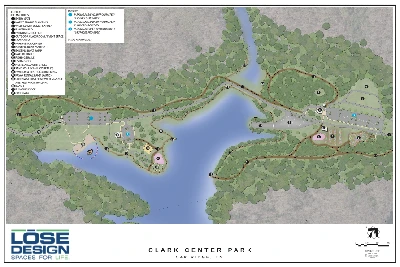
Saturday, Oct. 24, 1 to 4 p.m.
Advocates for the Oak Ridge Reservation
Opportunities for all to comment on ideas and discuss options for a new state park.
Schedule
2:30 p.m. – Music by Nashville singer/songwriter Pat Cupples.
3:30 p.m. – Hike on the Gallaher Bend Greenway led by Larry Pounds.
River Run Outfitters will provide several kayaks from 1 until 4 p.m. for short-term use on the Pellissippi Blueway.
GREBE (Graduate Students in Ecology, Behavior, and Evolution) from the University of Tennessee will offer several children’s activities and projects.
What would you like to find at the future state park?
Do you have a good name for it?
Visitors to the event will get opportunities to give feedback on plans for Clark Center Park to become a Tennessee state park.
A large display of the draft design will be posted.
Ways for comments to be shared will be provided.
Popular lakefront area near Oak Ridge could become a state park
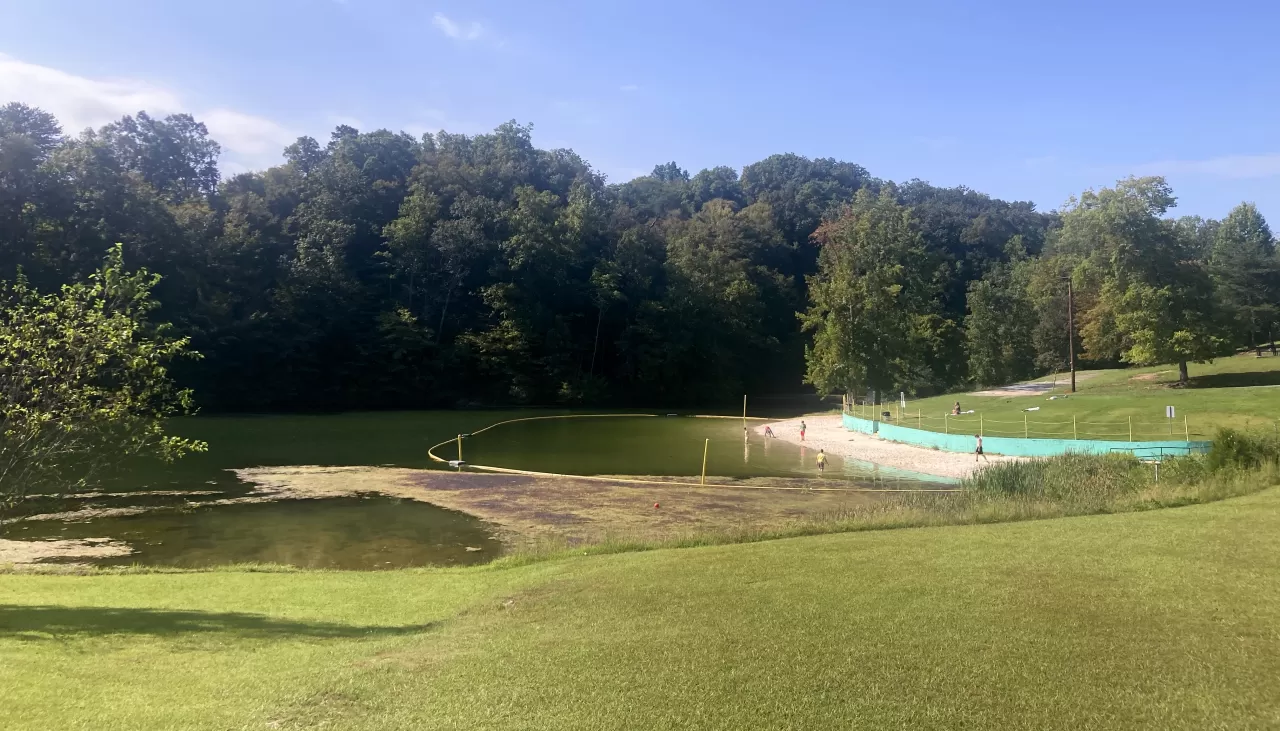
Written by Ben Pounds![Clark Center Park swimming area]() Clark Center Park swimming area. Ben Pounds/Hellbender Press
Clark Center Park swimming area. Ben Pounds/Hellbender Press
Major effort needed to secure co-funding from local area
The state budget for the fiscal year beginning July 1, 2026 gives the Tennessee Department of Environment and Conservation $10 million to establish a state park at Clark Center Park, a 40-acre area owned by the Department of Energy and currently open to the public as a park.
Named for Clark E. Center, the Manhattan Project’s Superintendent of the K-25 Gaseous Diffusion Plant and holder of ID badge #1, this park includes a swimming area on Melton Hill Lake with a sandy beach. It features many picnic tables with grills, a boat ramp, two ball fields, two volleyball nets and a paved surface with basketball hoops. Wooded hiking trails include ones giving access to fishing areas. It also serves as the trailhead to the Gallaher Bend Greenway, which is a separate area.
The caveat
The Tennessee budget states the area can only become a state park if Anderson County, the county in which this area is located, provides $6,250,000 in matching funds before June 30, 2031. Substantial funding is required to replace the aged amenities of the park and provide the level of facilities that meet state park standards while accommodating more visitors.
“Clark Center Park is a hidden gem,” said Virginia Dale, board member and past president of Advocates for the Oak Ridge Reservation (AFORR). The nonprofit group is dedicated to conservation and preservation of the reservation’s unique assets for future generations.
- clark center park
- oak ridge
- oak ridge reservation
- three bends oak ridge
- tennessee state park
- department of energy
- doe
- advocates for the oak ridge reservation
- aforr
- virginia dale
- melton hill lake
- larry pounds
- tennessee department of environment and conservation
- tdec
- clark e center
- anderson county
- manhattan project
Jonathan Overly receives Clean Cities and Communities’ Lifetime Achievement Award
Written by Wolf Naegeli
East Tennessee Clean Fuels Coalition recognized for “Excellence in Improving the Transportation Energy System”
Jonathan Overly, at the University of Tennessee’s Institute for a Secure and Sustainable Environment in the Tickle College of Engineering, founded the East Tennessee Clean Fuels Coalition (ETCFC) in 2001.
ETCFC is the designated regional coalition in the U.S. Department of Energy’s Clean Cities and Communities (CC&C) Partnership.
Overly has led or assisted many fleets in adopting alternative fuels and implementing advanced vehicle technologies. A major part of his work is securing grants and other kinds of funding for fleet transitions.
Beyond managing ETCFC, Overly contributed greatly to promote and support those efforts in the rest of Tennessee and nationwide. A major grant of $3.6M for DOE’s “DRIVE Electric USA” project encompassed 14 states and 17 Clean Cities coalitions.
Head down yonder for the Knoxville pawpaw-palooza
Written by Rick Vaughan and Thomas Fraser Pawpaws are best eaten raw, but are also crafted into foods like ice cream and soda. The custard-textured pulp tastes similar to a cross between a banana and mango. Karen Caspary/UTIA
Is that a pawpaw in your pocket? Come celebrate the fruit of the woods this weekend.
KNOXVILLE — The city celebrates a ubiquitous but largely underappreciated native forest fruit this weekend with the second installment of the Pawpaw and Wildcraft Festival.
There will be local food, craft beer and live music as Knoxville joins the list of cities celebrating the eastern North American trees. The event is set for 5 p.m. Sunday, Aug. 30 at Trailhead Beer Market, 1317 Island Home Ave. In South Knoxville.
Knoxville attorney and activist Chris Irwin, one of the principal organizers (along with Joy Grissom and Lenny Zonda), told Hellbender Press to expect an even bigger and better paw-paw-palooza this year. He is a proponent of the tree as a both rural and urban food source for wildlife and humans.
The indigenous volunteer fruit of the volunteer state
Pawpaw grows in the understory, and is actually thriving in most areas as farmland returns to woodlands (it also has a natural toxin that repels deer), but climate change will alter forest types. Either way, Irwin said, it’s an underutilized resource that should be better ballyhooed.
The festival features other native plants, wildcrafting discussions, urban and rural gardening, pawpaw fruit sharing and seed swapping. Wildcrafting is the practice of sustainably harvesting uncultivated plants, herbs, roots and fungi from their natural or wild habitats for food, medicine or crafts.
- joy grissom
- knoxville pawpaw festival
- 2026 pawpaw festival
- trailhead beer market
- what are pawpaws
- environmental events in knoxville
- get involved in knoxville environment community
- utia
- university of tennessee institute of agriculture
- fun south knoxville events
- pawpaws appalachians
- native americans and pawpaws
- cherokee
- wildcraft
- knoxville pawpaw and wildcraft festival

DOE dialing back data-center investment in Oak Ridge — for now
Written by Ben Pounds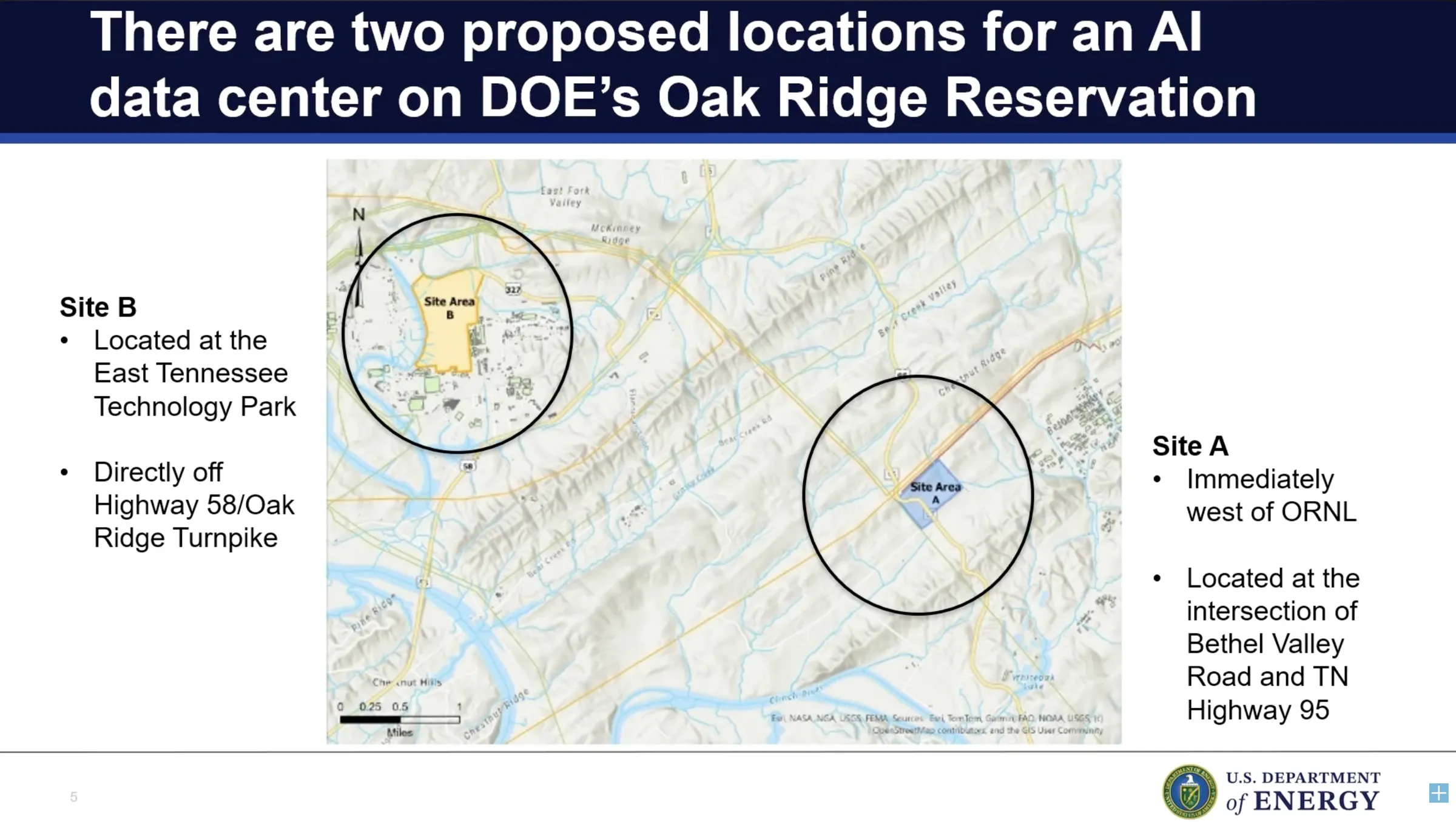 The U.S. Department of Energy extolled the virtues of two proposed data center sites on the Oak Ridge Reservation in October 2025. DOE has since shifted its focus to potential sites in Ohio and Kentucky, and currently no longer accepts proposals for private data center development in Oak Ridge. As seen in this screenshot, DOE touted the nuclear-energy industries’ infrastructure and expertise as draws for private data center development. DOE via YouTube
DOE shifts data center focus away from Oak Ridge to sites in Kentucky and Ohio
OAK RIDGE — (updated Sep. 5 with more details on site B; extra video) The U.S. Department of Energy is at least temporarily moving its focus away from promoting federal Oak Ridge lands as sites for data centers and is instead looking at developing sites in other states.
On Sep. 30, 2025 the department requested private enterprises to submit artificial intelligence data center proposals for two parcels on the Oak Ridge Reservation. It held a virtual industry day on Oct. 15, 2025 attended by multiple companies from different industries.
One site is west of Oak Ridge National Laboratory at the intersection of Bethel Valley Road and Tennessee Highway 95, totaling 95 acres. The other totals 150 acres at East Tennessee Technology Park, including 83 acres that are part of Manhattan Project National Historical Park — formerly the site of the K-25 complex, which enriched uranium for atomic bombs.
Just five weeks before the request, at noon on Aug. 23, the K-25 observation platform, which is part of the William J. Wilcox Jr. K-25 Interpretive Center, had been opened to the public. The platform was built specifically to provide visitors with a panoramic view of the historic 44-acre K-25 footprint and “to help visitors understand the scope and magnitude of the K-25 Building and Site.” Is watching construction of AI data centers already trumping our national history?
Ben Williams, communications director for the Oak Ridge Office of Environmental Management for DOE, said the department received proposals for the Oak Ridge sites in response to the request for proposals (RFP) before a Dec.1, 2025 deadline, but for now is turning them down. DOE will instead focus on completing and signing leases for data centers on two other former nuclear enrichment sites: its Portsmouth site in Ohio and its Paducah site in Kentucky.
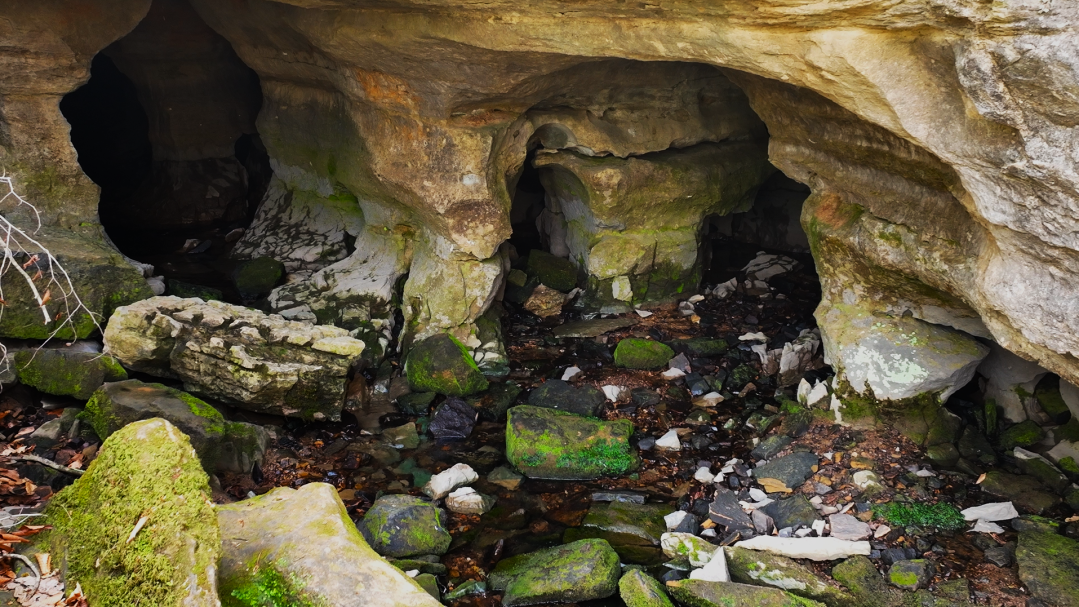 As this drone photo illustrates, sandstone bluffs, hidden waterfalls, and winding streams make Lost Creek State Natural Area a treasured destination in Tennessee. Jon D. Bumpus
Scott's Gulf Wilderness State Park grows by 413 acres through collaborative conservation
SPARTA — TennGreen Land Conservancy, The Nature Conservancy, and The Conservation Fund transferred 413 acres of ecologically significant land to the state of Tennessee, expanding Scott's Gulf Wilderness State Park and permanently protecting another remarkable piece of the Cumberland Plateau.
Just beyond the towering sandstone bluffs, hidden waterfalls, and winding streams that make nearby Lost Creek State Natural Area a treasured destination, expansive hardwood forests blanket the landscape. They shelter headwater streams, expansive cave systems, and diverse wildlife. By adding this additional acreage to Scott's Gulf Wilderness State Park, conservation partners have ensured that one of Tennessee's most ecologically rich landscapes will remain intact, preserving sensitive habitats for generations to come.
“Tennessee State Parks is grateful for the continued leadership and expertise of our NGO partners. Their commitment plays a vital role in the development of Scott’s Gulf Wilderness State Park and ensuring these exceptional natural resources are protected for the benefit of future generations,” said Chris Padgett, director of Tennessee State Parks.
“This newly protected property encompasses a remarkable, diverse mosaic of mature forest, farmland, and critical waterways abutting Lost Creek and Dry Creek,” added Alice Hudson Pell, executive director of TennGreen. “These waterways contribute to the broader hydrological system of the Cumberland Plateau while flowing through one of Tennessee's most remarkable karst landscapes.”
- scotts gulf
- cumberland plateau land preservation
- tenngreen land conservancy
- sparta tennessee
- the nature conservancy in tennessee
- the conservation fund
- scotts gulf wilderness state park
- chris padgett
- tennessee state parks
- lost creek state natural area
- alice hudson pell
- hiking in middle tennessee
- hiking on the cumberland plateau
Editorial: An open letter to the Tennessee Valley Authority
Written by John Todd Waterman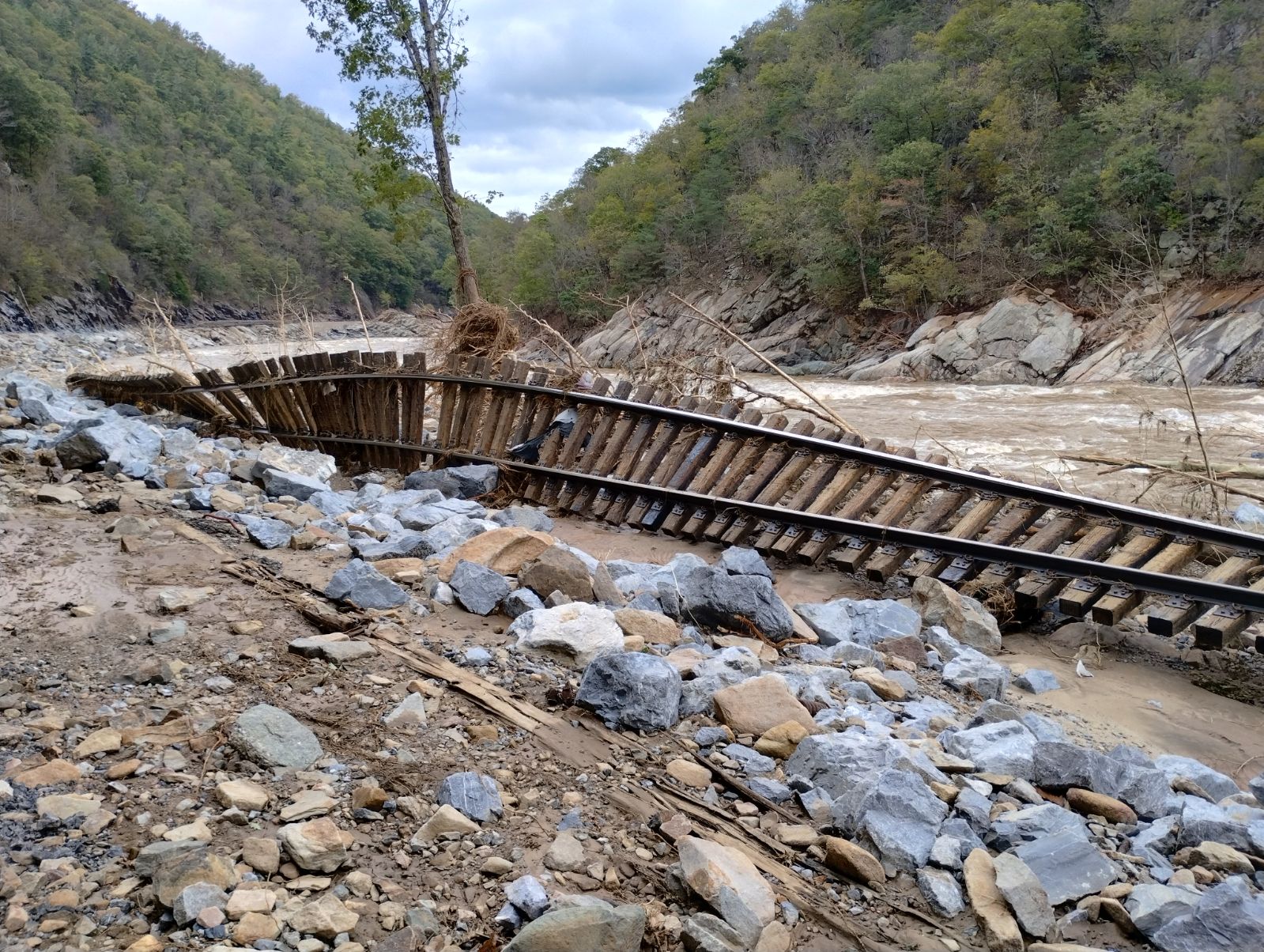 The CSX rail line through the Nolichucky River Gorge near Erwin, Tennessee was one of many transportation and vital commerce links destroyed by epic river flooding spawned by Tropical Storm Helene Sept. 26-27, 2024. Computer modeling showed Helene was made substantially worse by climate change. Jonathan Mitchell for Hellbender Press
A plea to reject the 'unconscionable' 2026 Integrated Resource Plan and finally focus on clean energy
CLINTON — I urge you, as distinguished members of the TVA Board, not to accept the 2026 Integrated Resource Plan. That deeply flawed plan would commit TVA, which in the past has admirably led the nation in power production, to leading a shameful and costly retreat into clearly outdated and now unconscionable energy generation choices.
The 2026 IRP predicts AI and other data centers will require increasing amounts of energy. Those needs may well be less than anticipated owing to computer efficiency innovations like quantum computing; new AI models requiring far less data; and rapidly growing public opposition to data centers, but prediction is difficult. Costly overbuilding will be best avoided by waiting and adding readily available and quicker-to-install renewables and storage as required, by which time they will be even cheaper than they already are.
I agree with most analysts that carbon capture and storage is a fossil fuel industry scam unlikely to ever be effective, let alone cost-effective.
The IRP’s rosy projections of the economic competitiveness of new nuclear designs fly in the face of nuclear’s long history of massive cost overruns. And nuclear cannot match battery storage’s instant on-off availability switch.
My overarching concern, though, is this IRP’s abdication of responsibility for climate change. Notwithstanding decades of slick, seemingly believable fossil fuel industry propaganda, an Everest of evidence indicates continuing fossil fuel emissions undeniably will, increasingly and irrevocably, undercut not just our economy but the fundamental quality of life of untold billions of our fellow humans, for as far into that ugly future as we can imagine.
Updated: Searchers recover body of missing Tellico kayaker
Written by Hellbender Press
TALLASSEE — The Tennessee Wildlife Resources Agency (TWRA) recovered the body of a missing kayaker on Tellico Lake after a days-long search.
Game wardens located the body of Richard Kitts, 57, of Maryville, on Tellico Lake Aug. 19, one week after he was first reported missing. Kitts was located during a targeted shoreline search at about 7:45 a.m. in the main channel off Citico Boat Ramp and was recovered by members of the Blount County Sheriff’s Office (BCSO) Special Operations Team at approximately 10:30 a.m.
TWRA game wardens noted that Kitts was not wearing a personal flotation device when his body was recovered.
TWRA initially launched a full search effort Aug. 12 after being notified at about 1:40 p.m. of a possible missing person near the Tallassee Access Area along Highway 129. Responding TWRA game wardens determined that Kitts had left his residence the previous night around 8 p.m. and planned to kayak on Tellico Lake. His vehicle was located at the access area during the initial response.
Later that day, the search expanded when a boater discovered Kitts’ kayak and paddle adrift approximately one mile downstream from the access area, just below Chilhowee Dam. Personal belongings were found inside the kayak. TWRA game wardens began immediate shoreline and island searches.
In the days following the initial report, TWRA coordinated an extensive multiagency search effort involving BCSO, the Tennessee Highway Patrol (THP), Tellico Boaters Assistance Response Team, Knox County Rescue Squad and several local volunteer organizations. Search methods included shoreline searches, foot searches of nearby islands, aerial surveys and water‑based searches using visual sweeps and side‑scan sonar. THP’s aviation unit and multiple drone teams assisted in covering the remote area, where radio and cellular service are limited.
Helene: Asheville company comes clean about PVC pipe that clogged French Broad
Written by Jack Evans MountainTrue, a Western North Carolina conservation group, has orchestrated the cleanup of thousands of pounds of PVC pipe flushed into the river by Tropical Storm Helene in September 2024. MountainTrue "spent over 44,000 labor hours solely on removing IPEX’s pipe from the river. Despite being 20 months from the storm, in the last 3 months alone, we have removed over 20,000 pounds. And yet, there are thousands of more pipes out there," the group said on its website. MountainTrue
County officials warned company of flood-debris risk posed by product that polluted French Broad River at Woodfin
This story was originally published by Asheville Watchdog.
ASHEVILLE — Nearly two years after floodwaters from Tropical Storm Helene pulled thousands of PVC pipes into the French Broad River, creating an ongoing environmental crisis and safety hazard, the corporate owner of a riverside plastics manufacturer has emerged from a period of silence with promises to improve how it stores its goods.
At the same time, emails newly obtained by Asheville Watchdog confirm that a Buncombe County official warned the company of the risk — and attempted to impose measures that could have made the site more secure — more than two years before Helene.
Brad Burton, a retired county floodplain administrator, aired his concerns earlier this year, describing correspondence he’d had with an engineer seeking a development permit on behalf of Woodfin’s Silver-Line Plastics and its owner, IPEX. The actual emails, which the Watchdog received this month after a public records request, support his recollection: the threat of Silver-Line product washing away from its outdoor storage area “is quite real during ‘the big one,’” he wrote in 2022.
Find kindred spirits at a sustainability conference in the Smokies
Written by Cindy Dupree Holloway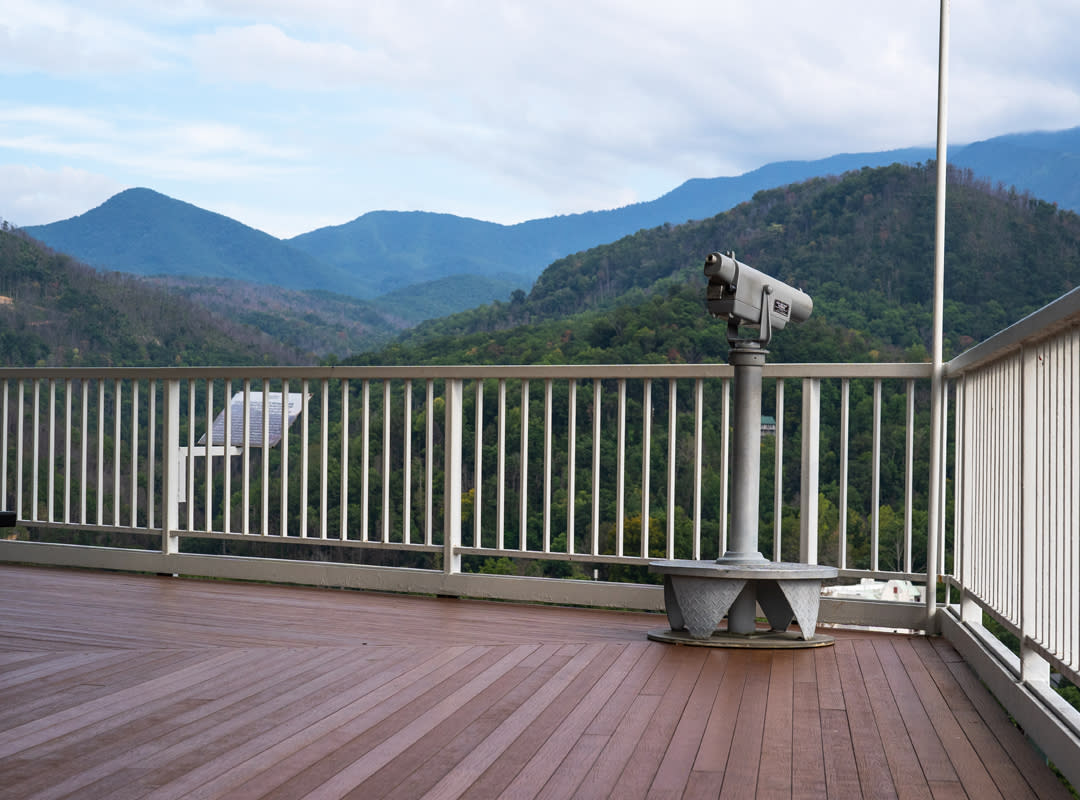 The towering Space Needle in Gatlinburg offers views of Great Smoky Mountains National Park. The city is host to the Tennessee Sustainability Conference set to begin Aug. 19 at the Park Vista Hotel. Gatlinburg Chamber of Commerce
Tennessee Sustainability Conference offers networking and tips and tricks for people, agencies and businesses
GATLINBURG — The annual Tennessee Sustainability Conference is set for Aug. 19-21 at the Park Vista Hotel in Gatlinburg in the shadows of Great Smoky Mountains National Park. The conference is a partnership between Tennessee Recycling Coalition, Tennessee Chamber of Commerce and Industry, and Tennessee Environmental Conference, and brings together environmental professionals from across the region.
Tennessee mayors will also gather for the 6th annual Mayor’s Retreat on Aug. 20, to gain resources, share in conversation, and collaborate for solutions. The Tennessee Department of Environment and Conservation will provide information and updates on various programs, including Brownfield Grants, the 2035 Solid Waste Plan, and more.
The conference brings together a diverse group of professionals, including government officials, business leaders, mayors, nonprofits, and sustainability experts. Attendees can discover the latest trends and best practices in environmental sustainability, and network with fellow attendees who are passionate about making a positive impact.
- tennessee sustainability conference
- gatlinburg environment
- tennessee recycling coalition
- tennessee environmental conference
- tennessee mayors and sustainability
- where can i learn more about sustainability in tennessee
- park vista hotel
- tennessee chamber of commerce
- tennessee chamber of commerce sustainability
- tennessee department of environment and conservation
- brownfield grants
- latest trends and best practices in environmental sustainability
An iconic conservation group leans into science on its 60th birthday
Written by Ben Pounds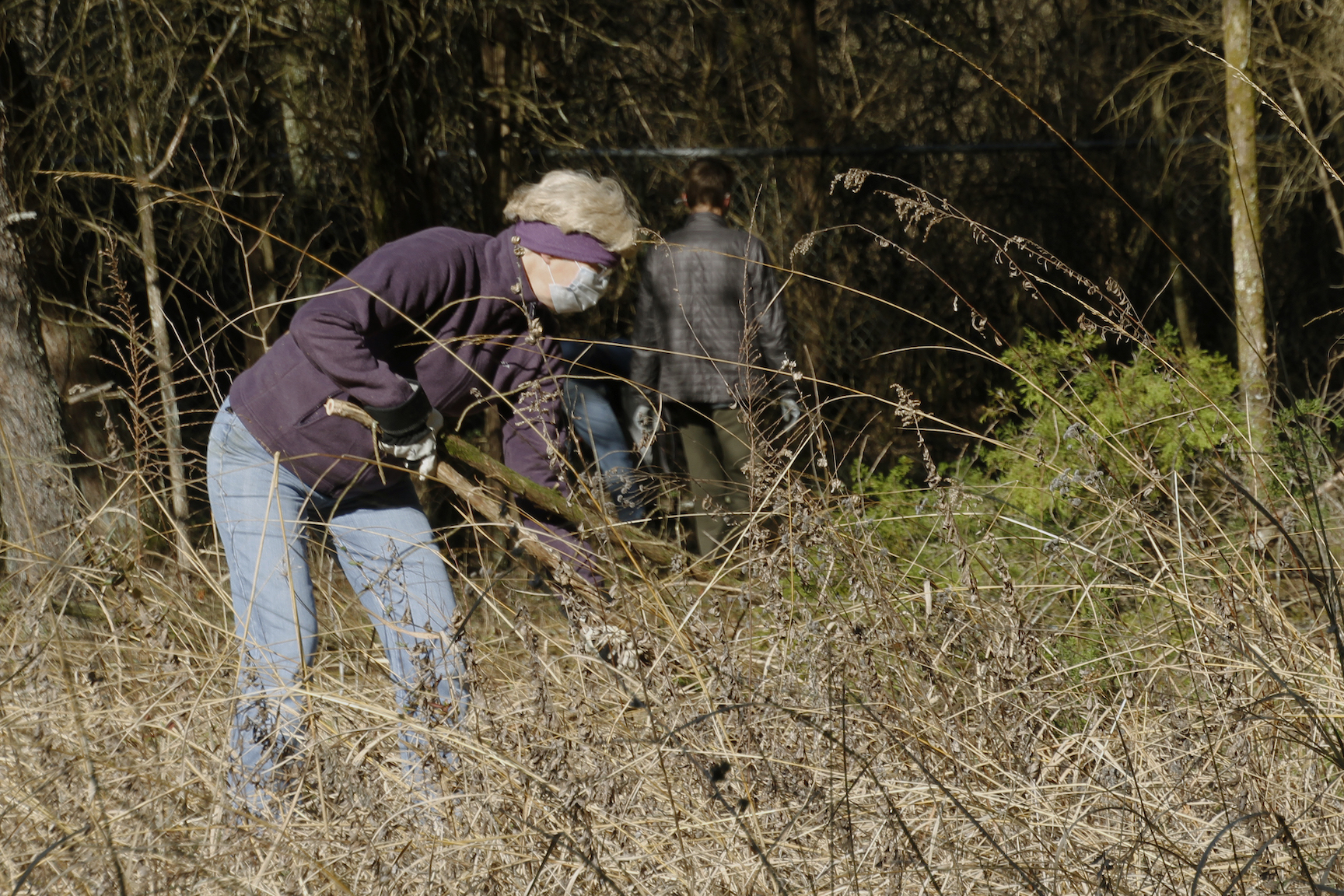 A volunteer removes invasive plants from an Oak Ridge cedar barren in March 2021 as part of a Tennessee Citizens for Wilderness Planning effort to keep the barren in its natural prairie state. Anna Lawrence/Hellbender Press
Tennessee Citizens for Wilderness Planning pivots to Highlander Trail as it looks back with pride on its past
OAK RIDGE —Tennessee Citizens for Wilderness Planning is celebrating its 60th anniversary and continuing its efforts to protect both the people and public lands of Southern Appalachia.
One of its current initiatives of special note is working in concert with the Trust for Public Land to create the longest rail-to-trail corridor in Tennessee, which will run between Oneida and New River.
The organization began in the summer of 1966 after separate organizations — working to save the Obed River system from a dam and protect Great Smoky Mountains National Park — joined forces for a common purpose.
The group was officially incorporated in October that year, led by famed Oak Ridge geneticist couple Lianne Russell and William Russell.
TCWP can claim among its victories the preservation of Obed Wild and Scenic River and Big South Fork National River and Recreation Area, both now part of the National Park Service system. In keeping with the group’s Oak Ridge origins, it helped preserve Oak Ridge’s North Ridge Trail, Cedar Barrens and Worthington Cemetery.
- tennessee citizens for wilderness planning
- nancy manning
- oak ridge environmental groups
- get involved with environment knoxville
- chuck estes
- rails to trails
- lianne russell
- obed river history
- david ace russell
- north ridge trail
- worthington cemetery
- caney fork river dam
- oak ridge cedar barrens
- trust for public land
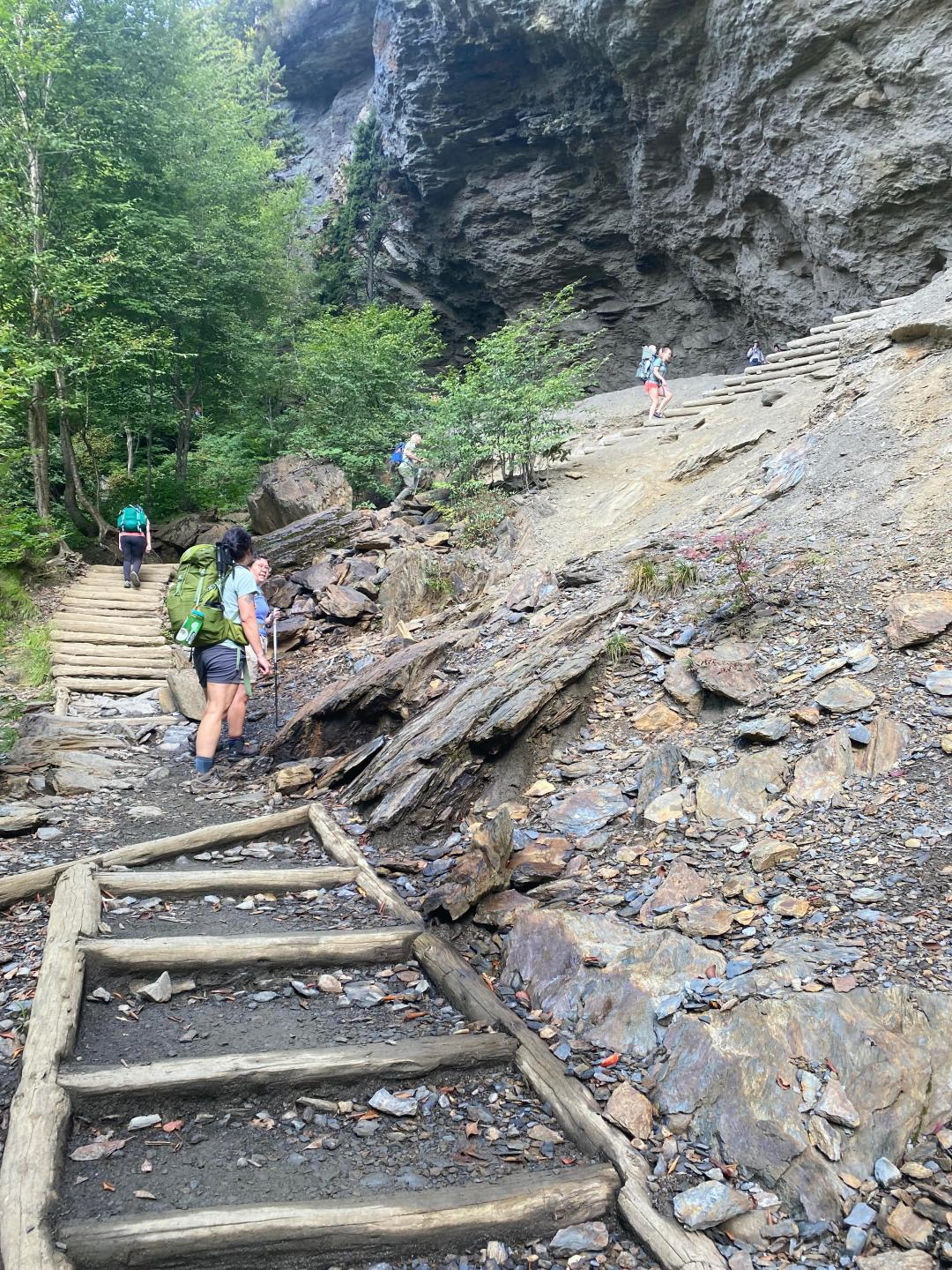 Hikers make their way to the summit of Mount LeConte via Alum Cave. A helicopter will ferry demolition debris from the site of the old LeConte Lodge, and some brief trail closures may result. Some areas of the summit may also be closed. Thomas Fraser/Hellbender Press
Demolition of LeConte Lodge may require a rest stop for summit-bound hikers
This is a news release from the National Park Service.
GATLINBURG — As the demolition of the LeConte Lodge Recreation Building continues, the National Park Service's contractor on the project will conduct helicopter airlifts the mornings of Aug.10-14. The contractor has made significant progress with most of the timber structure demolished and the focus is now on the basement, stonewalls, and foundation. During this second set of airlifts, demolished materials will be flown off the mountain via helicopter.
Airlifts are scheduled from 9 a.m. to noon each day during the second week of August. In the event of hazardous weather, the airlifts will be delayed.
Visitors driving US441/Newfound Gap Road near the Oconaluftee Overlook, just south of Newfound Gap, should expect temporary traffic delays while the helicopter loads and unloads materials.
The LeConte Lodge Recreation Building, built between the late 1960s and early 1970s, has served for more than 50 years as a gathering space and retreat for overnight guests from around the world. Exposure to harsh weather at 6,500 feet elevation has caused significant deterioration to the building, beyond what can be rehabilitated. For the safety of visitors and employees, the structure will be replaced later this year.
Bear center admits Hemlock in bittersweet reopening of Townsend rehab
Written by Jon D. Bumpus Hemlock is the first bear admitted to Townsend-based Appalachian Bear Rescue in 18 months. The bear was orphaned and found wandering around a residence near the Smokies. The animal was first treated at University of Tennessee College of Veterinary Medicine. Jon Bumpus/Appalachian Bear Rescue
Appalachian Bear Rescue welcomes first rescued bear cub in 18 months
Jon Bumpus is the communications coordinator for Appalachian Bear Rescue.
TOWNSEND — Appalachian Bear Rescue (ABR) has admitted its first rescued black bear cub in a year and a half, marking a significant milestone in the organization's return to rehabilitating orphaned and injured black bears in Tennessee.
The male cub, now known as Hemlock (ABR Bear #0427), arrived at Appalachian Bear Rescue on July 28, after being rescued by Tennessee Wildlife Resources Agency (TWRA) Wildlife Officer David Sexton. Full medical examination and minor procedures followed at University of Tennessee College of Veterinary Medicine (UTCVM).
The cub had reportedly been seen alone behind a Gatlinburg residence for approximately two weeks before rescue. The circumstances of the mother bear’s absence remain unknown.
When rescued, Hemlock weighed 3.5 kilograms (7.5 pounds)—less than half the average weight of a healthy black bear cub in late July, which is approximately 9 kilograms (20 pounds).
The name Hemlock was chosen after the native eastern hemlock tree—a species that symbolizes resilience and strength despite facing tremendous challenges throughout the Southern Appalachian Mountains.
More...
Editorial: On the Blue Ridge Parkway, fire is far from the biggest threat
Written by Sally Watanabe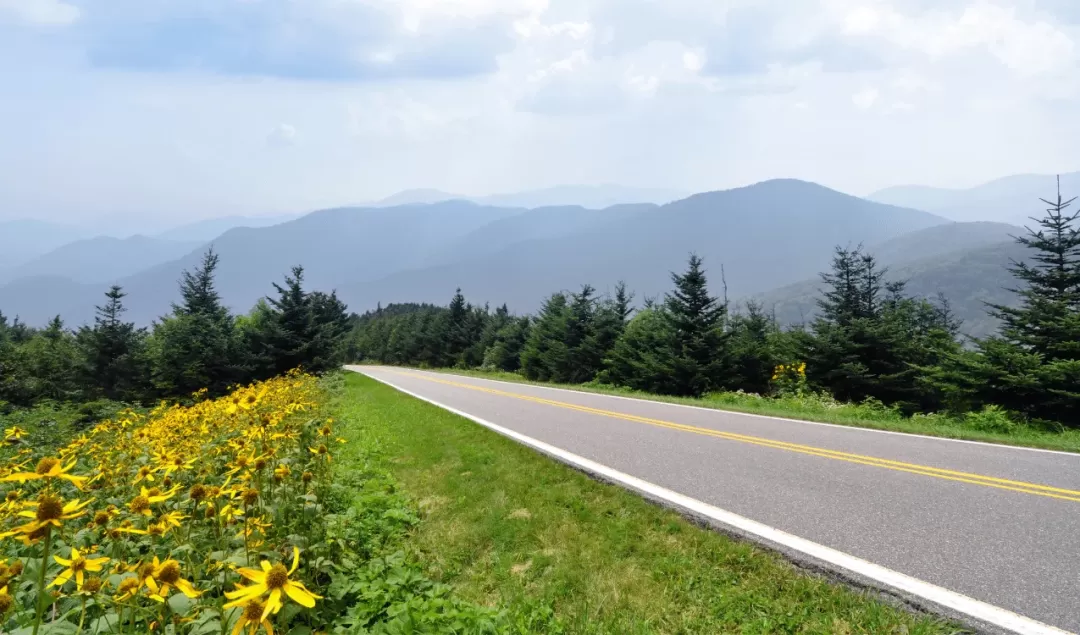 Conservationists are sounding the alarm about a National Park Service plan to cull trees in the name of fire prevention along the Blue Ridge Parkway. Groups such as MountainTrue and Defenders of Wildlife urge the public to speak out against the plan. MountainTrue
National Park Service declares 'emergency' to circumvent public input on a wasteful intrusion into Parkway environs
Sally Watanabe is the Asheville summer intern with Defenders of Wildlife.
ASHEVILLE —This summer, visitors to the Blue Ridge Parkway might spot a bobcat – not the kind you’d hope to see on vacation, but the kind with a diesel engine and hydraulic arm. If the National Park Service (NPS) executes its plan to use heavy machinery in removing downed trees from nearly 3,000 acres of Parkway land, it will have damaging effects on recovering ecosystems and create more long-term harm than good. There are alternative ways to address fire risk that are better suited to protect the wellbeing of all communities, and NPS needs to reevaluate the project before it causes unnecessary and irreversible impacts.
Starting in August, NPS plans to conduct what it calls “hazardous fuel reduction” to remove trees, bulldoze roads into hillsides, and clear areas of up to 5,000 square feet for log landing sites. The main concern driving this project is fire risk, especially to homes within proximity to the Parkway. Indeed, extended drought conditions have left the landscape drier than usual, but the majority of large debris left over is not the real threat.
Fire science tells us that dead wood larger than 8 inches in diameter takes 10,000+ hours of sustained drought to lose most of its moisture, so the massive downed trees far from roads are poor candidates for ignition. While large logs left to decompose actually absorb moisture and provide habitat for wildlife, smaller snags and debris closer to the forest edge pose greater fire risk. The vague plan raises many questions while also sidelining local conservation groups trying to support the project with data and recommendations.
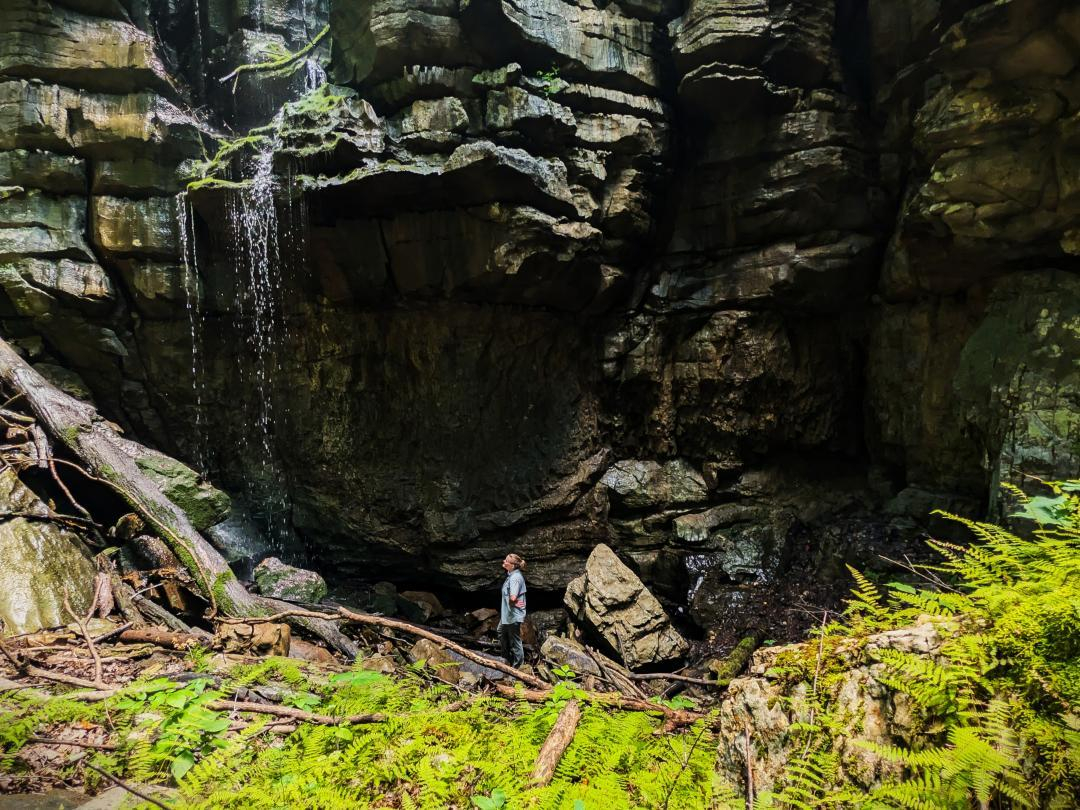 TennGreen and other conservation and preservation organizations acquired land in Franklin County to expand Head of the Crow State Park. The expansion will create a more connected and resilient landscape that benefits wildlife, protects vital watersheds, and enhances public access to nature. Jon D. Bumpus
State Park expansion further protects biodiversity of South Cumberland Plateau
Jon D. Bumpus is the director of communications for the TennGreen Land Conservancy.
SEWANEE — TennGreen Land Conservancy, The Nature Conservancy in Tennessee, and The Conservation Fund have jointly secured another significant conservation victory on the South Cumberland Plateau.
The partnership added approximately 550 acres to Head of the Crow State Park in Franklin County through a collaborative acquisition effort made possible by funding from the Open Space Institute (OSI), Tennessee’s Heritage Conservation Trust Fund (HCTF), and Lyndhurst Foundation. The project represents the latest example of how conservation partnerships are protecting some of the state’s most ecologically important landscapes while expanding opportunities for outdoor recreation and public enjoyment.
Head of the Crow State Park protects the headwaters of Crow Creek and encompasses a remarkable collection of forests, caves, streams, and rare species habitat. The park serves as a gateway to some of the most biologically rich landscapes in Tennessee. These lands support federally threatened and endangered species while safeguarding the clean water resources that flow from the plateau into surrounding communities.
As highlighted by State Naturalist Roger McCoy, Director of the Tennessee Division of Natural Areas, “Head of the Crow straddles both the sandstone-dominated Plateau top that contains acidic bog-like habitats supporting rare orchids and other wetland species. The western edge of the park descends into limestone-dominated Crow Creek Valley with numerous outcrops and caves. These rocky outcrops support species unique to this region including the painted tiger snail, Morefield’s leatherflower, Cumberland rosinweed, and Cumberland pagoda plant.”
EPA chief warns against data center restrictions as locals mull guardrails
Written by Cassandra Stephenson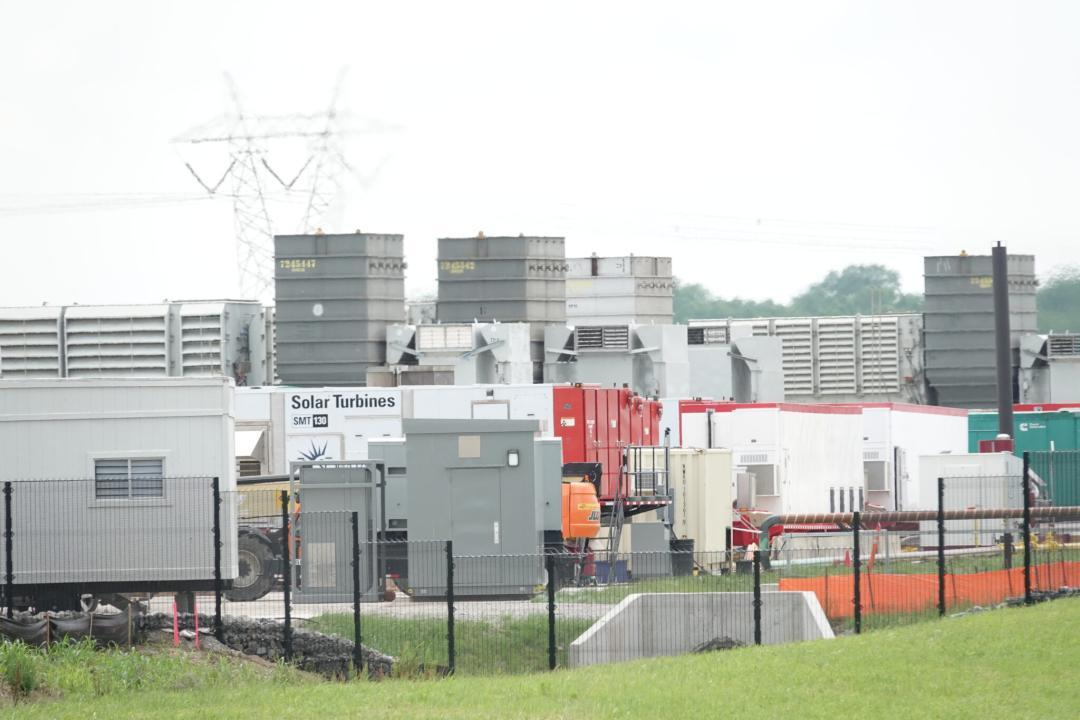 Sixty data centers are operating or under construction in Tennessee, with 25 in the Nashville area. Karen Pulfer Focht/Tennessee Lookout
As Elon's turbines pollute Memphis, EPA head urges hands-off approach to data centers
This story was originally published by Tennessee Lookout.
NASHVILLE — U.S. Environmental Protection Agency Administrator Lee Zeldin called New York’s recently announced statewide moratorium on data centers an “easy way to cop out” during an appearance at the Tennessee Chamber of Commerce and Industry’s Infrastructure Summit on July 14.
Data centers — which house the computer servers and storage that power the internet, cloud computing and artificial intelligence — range in size from single rooms to massive campuses that can use as much power as an entire city. Zeldin said he’s seen both bad and good data center projects throughout the country.
The EPA recently joined the U.S. Department of Justice in petitioning to stop an environmental lawsuit filed by the NAACP against xAI, which accuses Elon Musk’s company of building a power plant composed of gas-powered turbines near the Tennessee-Mississippi border without obtaining permits to power its Colossus 2 data center in south Memphis.
The good news, he said, is that “Americans mostly want to make America the (Artificial Intelligence) capital of the world.”
“The bad news is that when they think about data centers, too often they’re only hearing about those controversial projects,” he said. But Zeldin warned communities against shutting down all data center development.
“For a local community that is thinking through bringing a data center to their area, I would encourage them to ask three questions: Is the project going to make my bills go up or down? Is the project going to be a net provider onto the grid, or a net taker? And what are they going to do with water? Is it a closed-loop data center? Is it 100 percent recyclable?” Zeldin said.
The remarks were part of a speech centered on reducing the federal agency’s regulatory power to “nothing less, but nothing more” than what federal statute spells out.
Flit and dart over to Ijam's for annual Hummingbird Festival
Written by Thomas Fraser
KNOXVILLE — Take flight with the Ijams Hummingbird Festival: A Celebration of Wings presented by Wild Birds Unlimited Knoxville from 7 a.m. to 1 p.m. on Saturday, Aug. 15.
Each year, this festival brings bird lovers, families, and nature enthusiasts together for an unforgettable hands-on experience focused on hummingbird conservation and research.
Immersive nature activities include hummingbird banding, guided walks, and artist marketplace, art and science activities, and speakers,
During the Hummingbird Festival, guests can join small-group sessions with expert bird banders from East Tennessee Avian Research and Seven Islands State Birding Park as they operate a hummingbird research banding station onsite.
Bird banding is a technique used to study wild birds by placing a tiny numbered band around a bird’s leg, allowing scientists to track bird migration, behavior, and population change. Throughout the event, the banding station collects non-invasive biological data, attaches numbered bands to aid in future research, and releases birds back into their ecosystem.
-Ijams Nature Center